

CMake is an open-source, cross-platform family of tools designed to build, test and package software. It is used to control the software compilation process and generate native makefiles and workspaces that can be used in any compiler environment. While some users of CMake want to stay up to date with the latest release, others want

As you probably know, there are many ways you can build snaps: locally using snapcraft, with CI systems like Travis, through Launchpad, and also via the free online Snapcraft Build Service. Now, a new preview feature called Remote build also allows you to build snaps for multiple architectures directly from the command line. This has

LXD, the system container manager, developed by Canonical and shipped by default with Ubuntu, makes it possible to create many containers of various Linux distributions and manage them in a way similar to virtual machines (VMs) but with lower overhead costs associated with them. Unlike VMs, containers have the benefit of using a shared ke
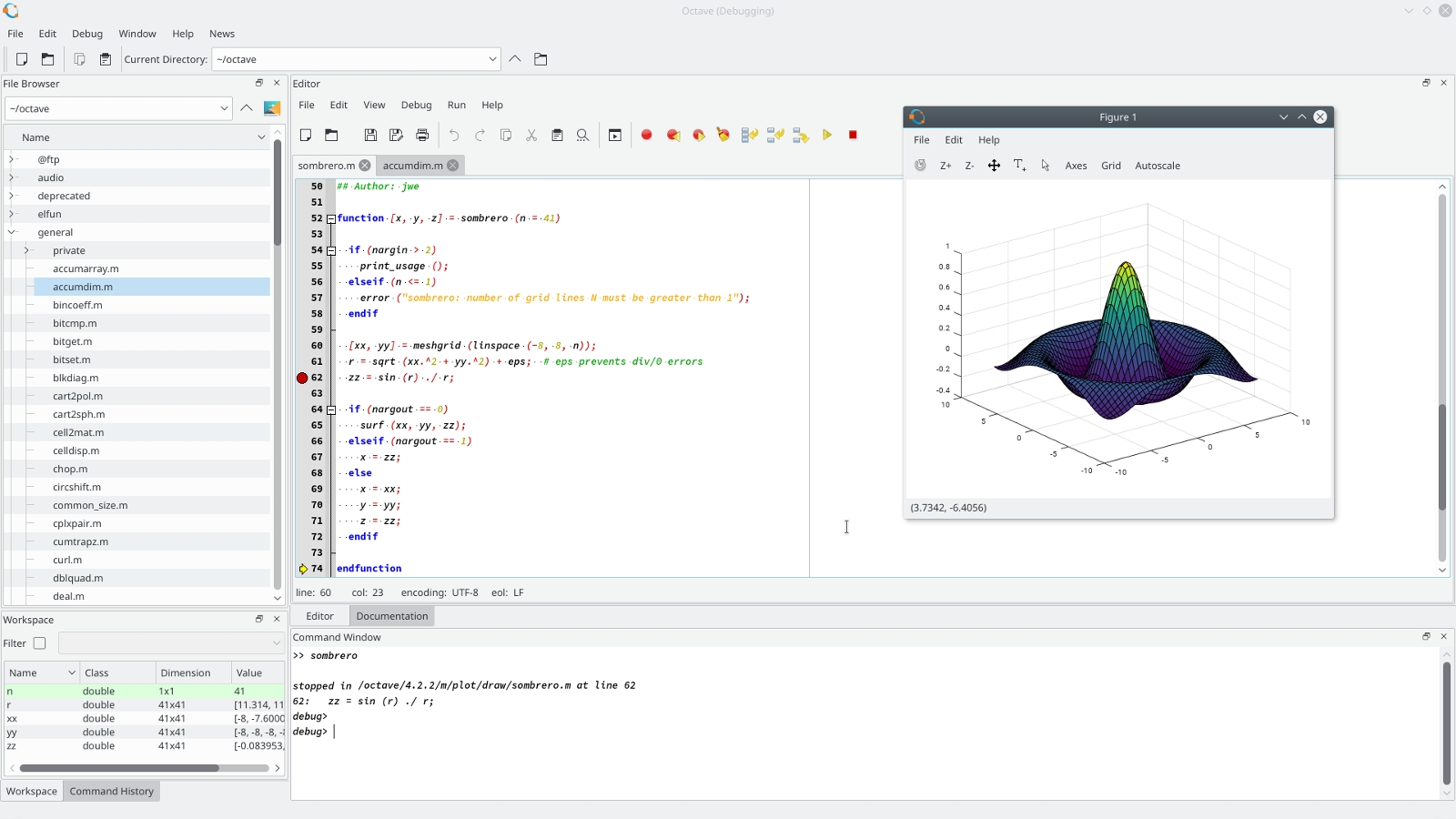
Octave is a numerical computing environment largely compatible with MATLAB. As free software, Octave runs on GNU/Linux, macOS, BSD, and Windows. At the 2019 Snapcraft Summit, Mike Miller and Jordi Gutiérrez Hermoso of the Octave team worked on creating an Octave snap in stable and beta versions for the Snap Store. As Mike and Jordi
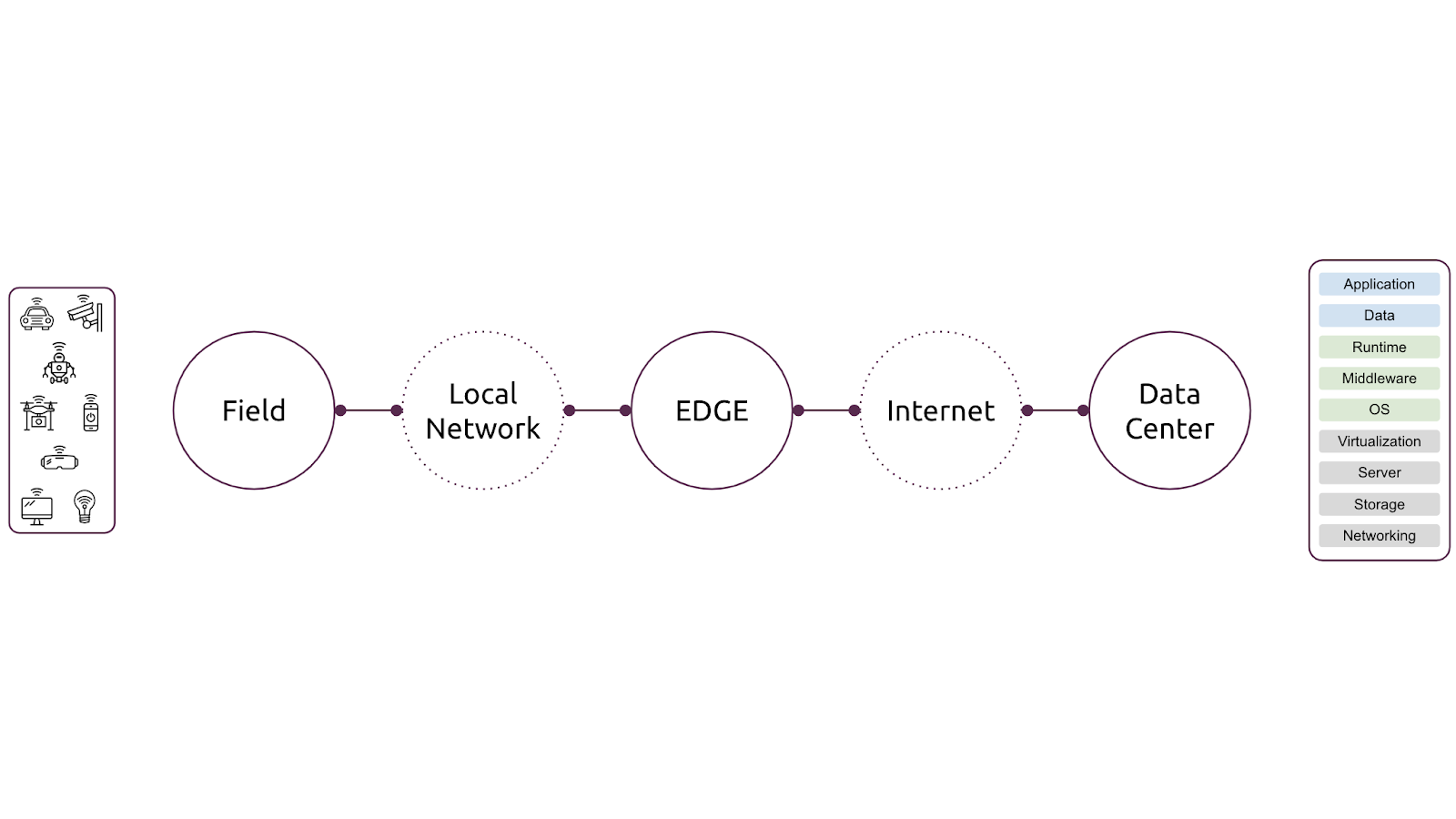
Edge computing continues to gain momentum to help solve unique challenges across telco, media, transportation, logistics, agricultural and other market segments. If you are new to edge computing architectures, of which there are several, the following diagram is a simple abstraction for emerging architectures: In this diagram you can see

Canonical is happy to announce the availability of MAAS 2.6. This new release introduces a range of very exciting features and several improvements that enhances MAAS across various areas. Let’s talk about a few notable ones: Growing support for ESXi Datastores MAAS has expanded its support of ESXi by allowing administrators to create & c

Traditional development methods do not scale into the IoT sphere. Strong inter-dependencies and blurred boundaries among components in the edge device stack result in fragmentation, slow updates, security issues, increased cost, and reduced reliability of platforms. This reality places a major strain on IoT players who need to contend wit

This was a fairly busy two weeks for the Web & design team at Canonical. Here are some of the highlights of our completed work.Web squadWeb is the squad that develop and maintain most of the brochure websites across the Canonical.&nbs

Newsletter signup

This was a fairly busy two weeks for the Web & design team at Canonical. Here are some of the highlights of our completed work. Web squad Web is the squad that develop and maintain most of the brochure websites across the Canonical. Here are a few highlights of completed work. We also moved several

This article is the first in a series of machine learning articles focusing on model serving. I assume you’re reading this article because you’re excited about machine learning and quite possibly Kubeflow as well. You might have done some model training and are now trying to understand how to serve those models in production. There
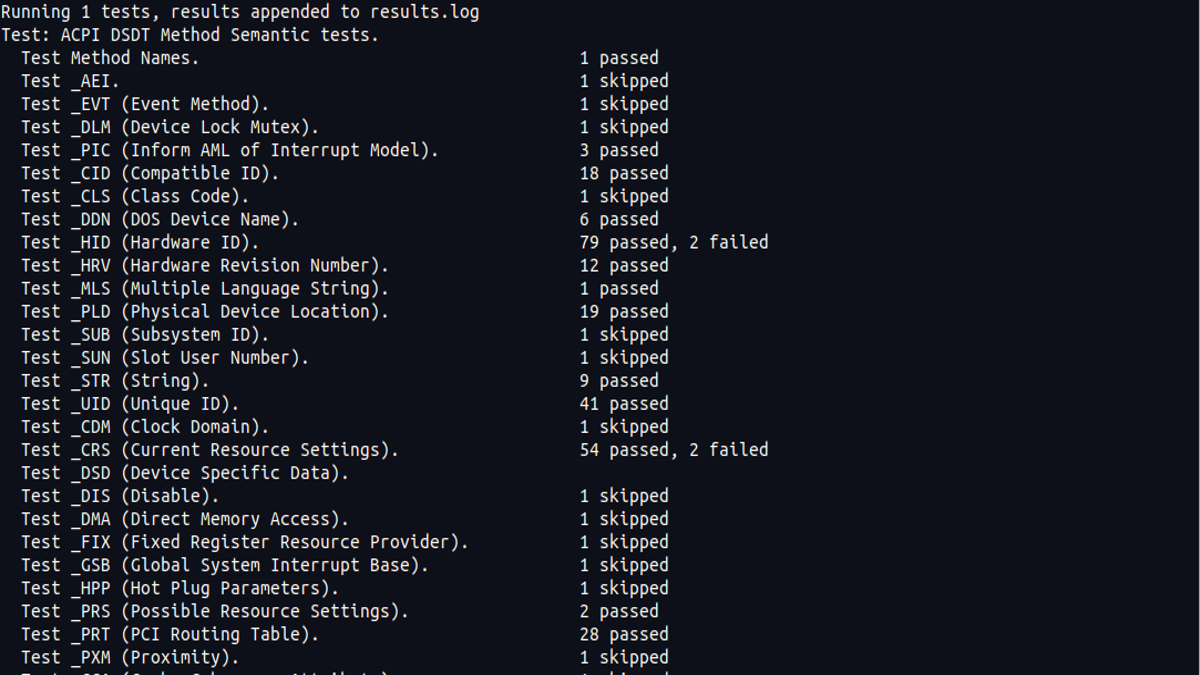
I often need to implement tests for new ACPI tables before they become available on real hardware. Fortunately, FWTS provides a framework to read ACPI tables’ binary. The below technique is especially convenient for ACPI firmware and OS kernel developers. It provides a simple approach to verifying ACPI tables without compiling firmware an

Issues have been identified in the way the Linux kernel’s TCP implementation processes Selective Acknowledgement (SACK) options and handles low Maximum Segment Size (MSS) values. These TCP SACK Panic vulnerabilities could expose servers to a denial of service attack, so it is crucial to have systems patched. Updated versions of the Linux

Recently, we published several blog posts, aimed at helping developers enjoy a smoother, faster, more streamlined experience creating snaps. We discussed the tools and tricks you can employ in snapcraft to accelerate the speed at which you iterate on your builds. We want to continue the work presented in the Make your snap development fas

Private cloud, public cloud, hybrid cloud, multi-cloud… the variety of locations, platforms and physical substrate you can start a cloud instance on is vast. Yet once you have selected an operating system which best supports your application stack, you should be able to use that operating system as an abstraction layer between different c

Over the past several months, we have shared with you several articles and tutorials showing how to accelerate application development so that a typically demanding, time-consuming process becomes an easier, faster and more fun one. Today, we’d like to introduce some additional tips and tricks. Namely, we want to talk about elegant ways y

Hello Ubuntu Server The purpose of this communication is to provide a status update and highlights for any interesting subjects from the Ubuntu Server Team. If you would like to reach the server team, you can find us at the #ubuntu-server channel on Freenode. Alternatively, you can sign up and use the Ubuntu Server Team
Ubuntu tech blog
Deep dives for developers
Visit the Ubuntu Tech Blog for deep dives into product features, step-by-step tutorials, and the latest updates from Canonical's engineering teams.